The air included in the concrete is dispersed in the form of tiny spherical bubbles, connected to each other only by very small channels called pores, through which the water escapes during the drying of the concrete and after curing.
Example: "It is recommended for almost all concrete, primarily to improve the freeze-thaw resistance of concrete exposed to water and deicers."
es: Concreto con aire incluido
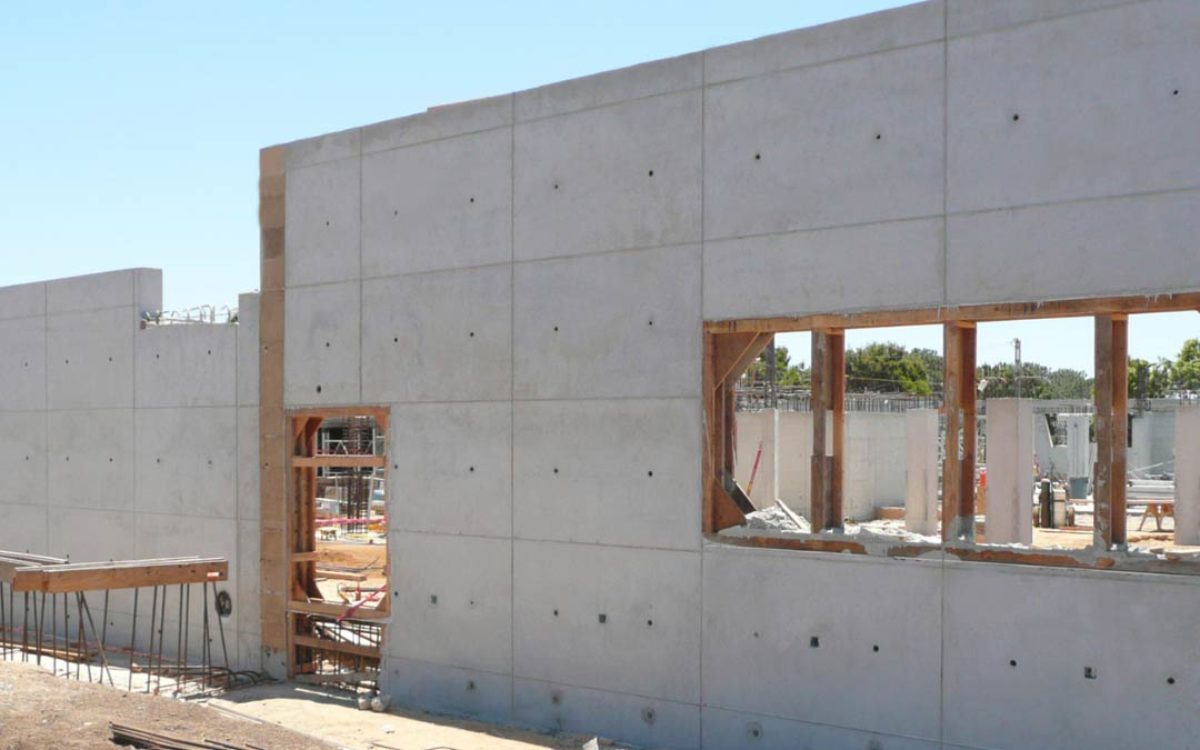
Architectural concrete
Noun
It is a material that, in addition to complying with structural and mechanical specifications, offers the possibility of giving personality to a work, combining pigments with additives to achieve different shades, textures, shapes and visible finishes.
Example: "The Bauhaus School uses architectural concrete to provide elegance and continue innovating."
es: Concreto arquitectónico
Asphaltic concrete
Noun
Refers to the material obtained through the oil refining process in which volatiles and part of their oils are eliminated, obtaining a viscous, impermeable, thermoplastic material that is highly adherent to stone materials
Example: "The road material is asphalt."
es: Concreto asfáltico
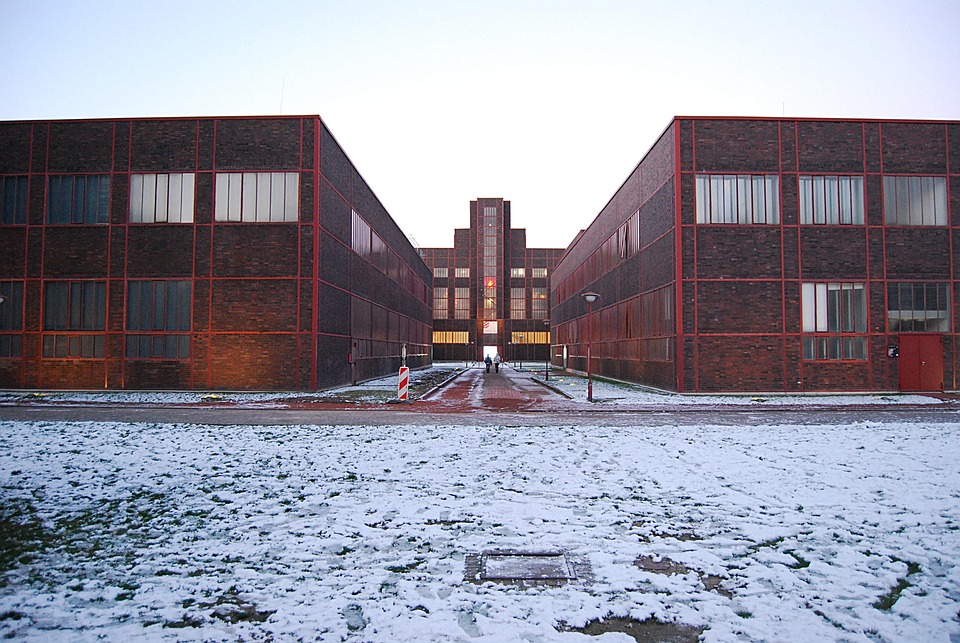
Axis
Noun
It is a straight line that joins two points in space and along which regular shapes and spaces can be placed. An axis, even if it is imaginary and invisible, is an element with dominant and regulatory power that implies symmetry but requires balance.
Example: "Associated to cities which lie on it, has a coastal effect, with short reach along the horizontal axis of the water course."
es: Eje
Backup Wall
Noun
Common interior walls (backup
walls) are cold-formed steel
framed walls with water-
resistant sheathing and concrete
masonry.
Example: "A brick wall works as a backing wall."
es: Muro de respaldo
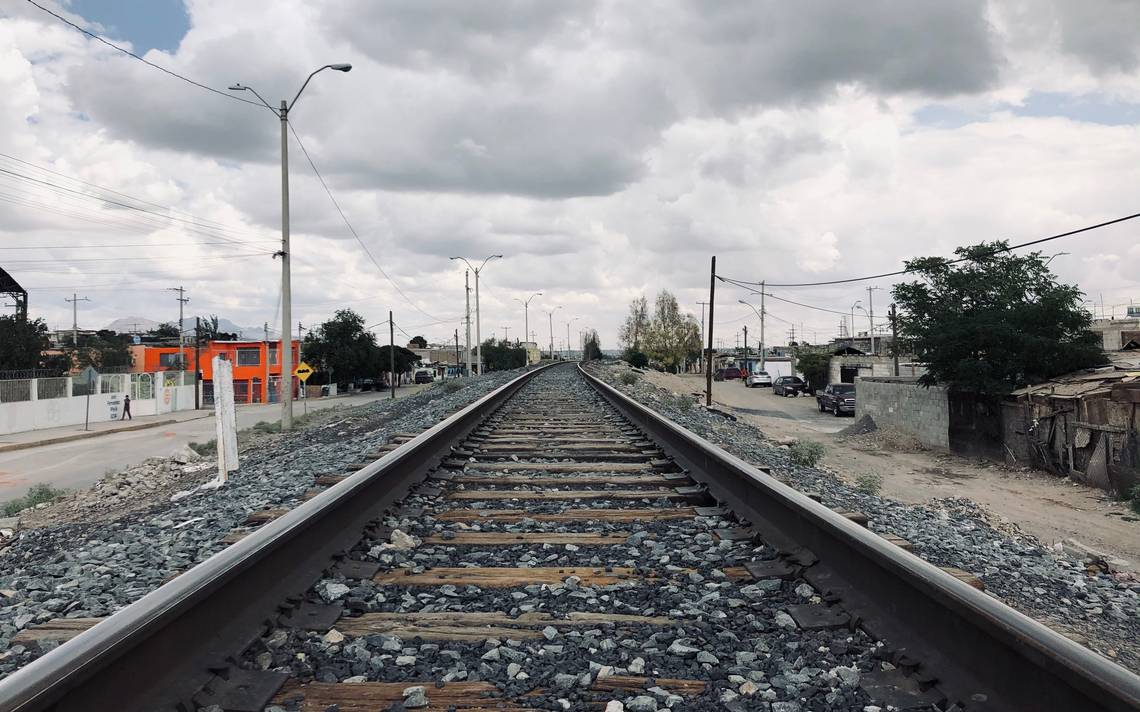
Borders
Noun
The border in architectural space is a fringe, border area or space that can be produced and experienced through subjective practices as a predominantly linear space.
Example: "The train tracks form a border."
es: Borde
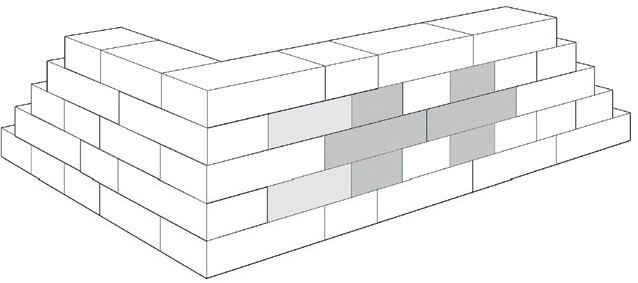
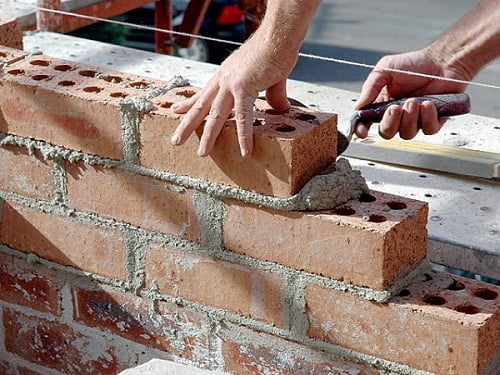
Brick Courses
Noun
A course is a layer of the same unit
running horizontally in a wall. It can
also be defined as a continuous
row of any masonry unit such as
bricks, concrete masonry units
(CMU), stone, shingles, tiles, etc.
Example: "Thanks to mechanical setting, each brick course is transported to exactly the same position each time and a plumb-vertical."
es: Cursos de ladrillo
Cellular concrete
Noun
Cellular concrete is a special type of lightweight construction material that is produced in the form of blocks or panels used for the construction of residential or commercial buildings.
Example: "Cellular concrete blocks are very light."
es: Concreto celular
Colored concrete
Noun
Concrete whose formulation includes pigments based on metal oxides, obtaining a uniform color throughout the mass of the concrete.
Example: "Can be used for architectonic or colored concrete."
es: Concreto coloreado
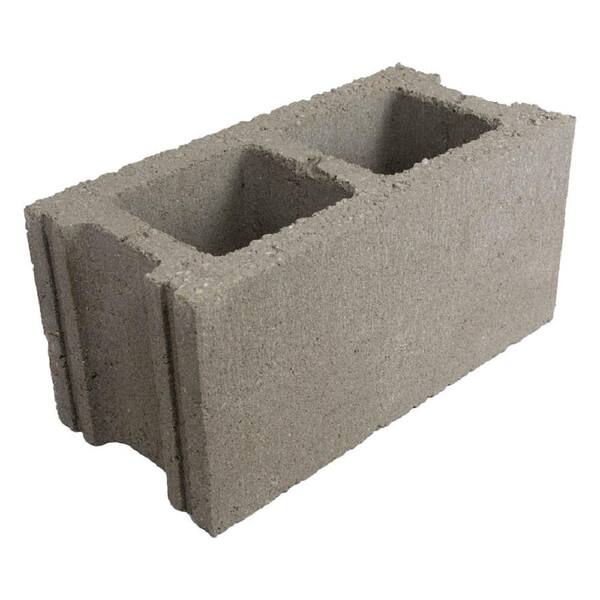
Concrete Block
Noun
A concrete block is primarily used
as a building material in the
construction of walls. It is
sometimes called a concrete
masonry unit (CMU). A concrete
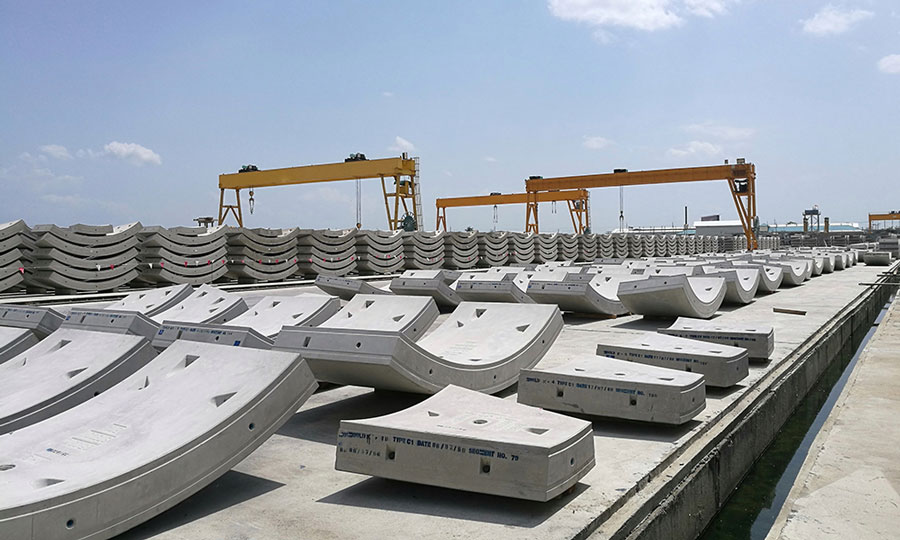
block is one of several precast
concrete products used in
construction.
Example: "Groove; and another, with the mix is located between the concrete block, which holds the rail, and the interior concrete tray."
es: Bloque de Hormigón
Cured Concrete
Noun
It is the process by which concrete made with hydraulic cement matures and hardens over time, as a consequence of the continuous hydration of the cement in the presence of sufficient amounts of water and heat.
Example: "Do not use on architectural concrete or where cured concrete surface color appearance is critical."
es: Concreto curado
Dovetail Insert
Noun
a joint formed by one or more
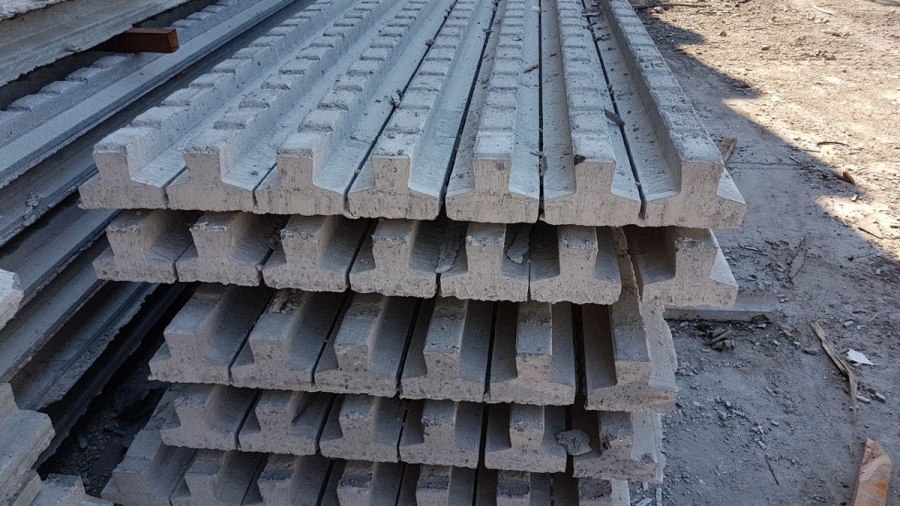
tapered projections (tenons) on
one piece which interlock with
corresponding notches or recesses
(mortises) in another.
Example: "The dovetail can be used in more precise and simpler assemblies."
es: Inserto de cola de milano
Exposed concrete
Noun
It is the finish of the concrete element after stripping, removing burrs and some imperfections without much additional work.
Example: "A concrete wall which is exposed as a form of decoration."
es: Concreto expuesto
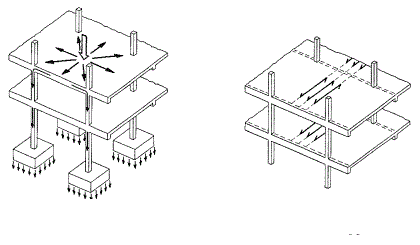
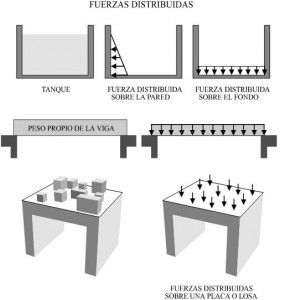
Gravity Load
Noun
Gravity loads are the vertical
forces that act on a structure.
The weight of the structure, human
occupancy and snow are all types
of loads that needs to have a
complete load path to the ground.
Example: "Exceptionally rigid structure, supporting virtually all lateral loads (such as wind loads) and sharing the gravity load with the core columns."
es: Carga de gravedad
Green concrete
Noun
It is defined as the cement that uses waste materials, respectful with the environment, that improves the 3 pillars of sustainability: the environment, the economy and the social climate.
Example: "Sustainable concrete, concrete blocks with disposable materials."
es: Concreto Verde
Hanging Off
Noun
To put one thing attached or suspended from another by the upper part, without being supported by the lower part.
Example: "Basically, the brick is hanging off of the structure at each relief angle or shelf angle."
es: Colgando de
Horizontal Mortar Joints
Noun
In masonry, mortar joints are the
spaces between bricks, concrete
blocks, or glass blocks, that are
filled with mortar or grout. If the
surface of the masonry remains
unplastered, the joints contribute
significantly to the appearance of
the masonry. Mortar joints can be
made in a series of different
fashions, but the most common
ones are raked, grapevine,
extruded, concave, V, struck, flush,
weathered and beaded.
Example: A brick wall is joined with mortar, creating a gap or sink depending on the tool used.
es: Juntas de mortero horizontales
Insulating concrete
Noun
Is a white building (thermal) insulating material, which is obtained through a mixture that, when reacted, generates the formation of millions of air bubbles inside the mass.
Example: "Cement block, siliceous sand, lime, water, incorporating an expansive agent, aluminum powder, at the end of the kneading process."
es: Concreto aislante
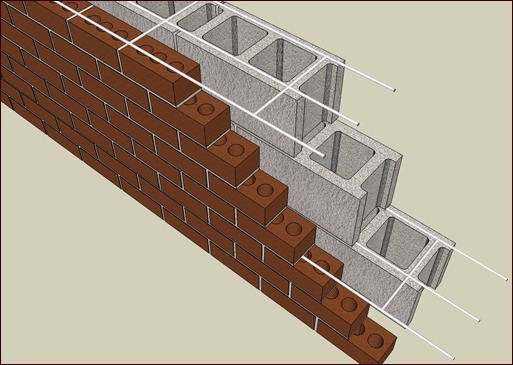
Ladder-Type Systems
Noun
Ladder system means two main
air lines, generally one each side of
the railway tracks, cross connected
at regular intervals and able to be
fed from any direction.
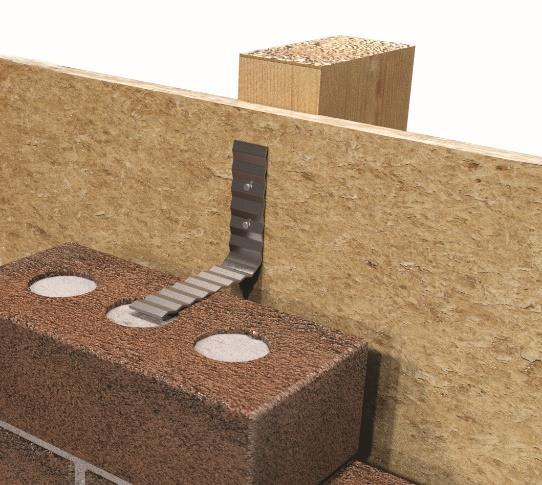
Example: "If the backup wall is concrete block, there are ladder-type systems that fit in the concrete block mortar joints."
es: Sistemas tipo escalera
Landmark
Noun
A landmark is a building that, because it is popularly known and valued for its construction technique, for its symbolism, for its history, can be used as a reference for recognition and orientation of visitors or be a tourist attraction.
Example: "The famous tower is a landmark of the city."
es: Hito
Laterally
adverb
of or relating to the side a lateral
view.
Example: "Side view of a building."
es: Lateralmente
Mansory Ties
Noun
Brick ties are small architectural
elements that are used to connect
two brick walls across a narrow
cavity or to bind a brick wall to a
wood or steel frame. They are
commonly made from pressed
metal, plastic or braided wire.
Example: "Metallic element that joins two structural elements."
es: Lazos de albañilería
Metal channel
Noun
Metal channels are light gauge and cold formed.
Light gauge means thin.
Cold formed means that they are made by bending thin steel without heating.
Example: " Smaller metal channel, suitable for industrial installations. "
es: Canal metalico
Metal decking
Noun
Metal decking is structural. It is most often covered with concrete to form floor or roof slabs.
Sometimes it isn't covered with concrete and just spans between secondary roof framing members and supports the roof insulation and roofing materials.
Example: "For anchoring into concrete ceilings, metal decking and pressed metal brackets."
es: cubierta de metal
Metal framing
Noun
Metal framing usually refers to cold-formed, light gauge studs, channels and other shapes.
Metal framing can be structural if it is engineered.
Example: "Way up the shank of screws or nails, it is important to specify a fastener length sufficient to engage the metal framing."
es: estructura metálica
Metal grating
Noun
The steel grid is a reticular structure made up of load-bearing slabs joined orthogonally by transverse elements.
Example: In the streets you can find metal grids, they are placed in spaces so that rainwater drains and the streets are not flooded.
es: Rejilla metálica
Metal panel
Noun
The metal panel is a general term describing any flat, thin sheet of metal. It can be any type of metal.
Example: It can be any type of metal (stainless steel, aluminum, titanium, etc.), it is used in structures and also as coatings.
es: Panel metálico
Metal rod
Noun
It is a metal bar that is used for the construction of internal structures in buildings.
Example: Metal rods can be seen in reinforcements such as castles, concrete dalas, etc.
es: Varilla de metal
Metal roofing
Noun
They are metal structures that protect or cover objects or people.
Example: the ceilings of a cafeteria or a roof.
es: Techo de metal
Metal stud
Noun
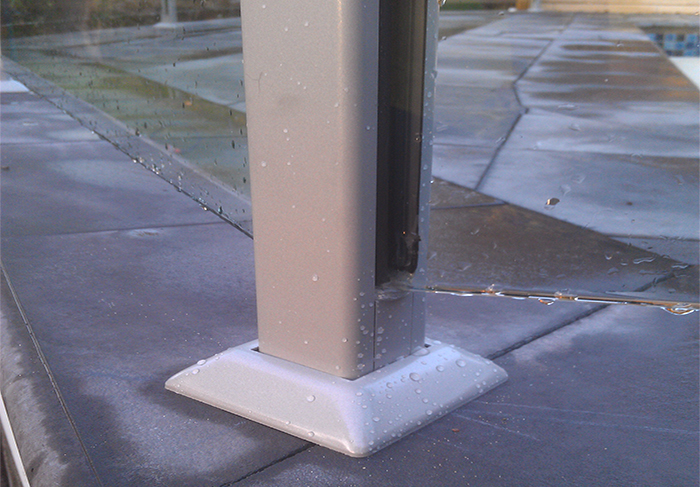
Are structural elements used to place and stabilize walls.
Example: They are observed in the dividing walls of the houses of the USA.
es: Perno de metal
Metal tubing
Noun
Hollow sections are a round, rectangular or square section of steel, which has a structural use.
Example: It is used in the structural and industrial field.
es: Tubería metálica
Multi-Storey
Noun
A multi-storey building is a
building that has multiple
storeys, and typically contains
vertical circulation in the form of
ramps, stairs and lifts.
Example: "It is characterised by high, multi-storey buildings, a monotonous spatial structure and large areas of open space."
es: De varios pisos
Node
Noun
The nodes are confluences of streets, strategic points, unions of paths, intersections, essential to move around the city.
Example: "Downtown avenue is a node."
es: Nodo
Plot
Noun
The urban plot, as architecture, refers to the layout of the buildings on the premises, the heights of the building and the built mass, the types of buildings, the local characteristics that the buildings represent.
Example: "Plot allows progressions and growths, creating operative and directional environments with a very personal style."
es: Trama
Porous concrete
Noun
it is a type of pavement with a porous surface that is made up of concrete, it is also considered a green pavement, it allows water to run through it instead of accumulating or leaving it.
Example: "Porous concrete is used in platforms, pedestrian paths, etc."
es: Concreto poroso
Precast concrete
Noun
Refers to the placement of concrete in some location other than its final position in the structure, usually in a story.
Example: "Concrete panels that can be easily assembled."
es: Concreto prefabricado
Prestressed concrete
Noun
It is a technique that is carried out by tightening steel before placing the concrete to be worked on.
Example: "Prestressed concrete is used in beams to reinforce structures."
es: Concreto pretensado
Reinforced Concrete
Noun
It is a composite material that conventionally results from the incorporation of steel bars or meshes in the concrete mass. In other words, it is a concrete that has internal metallic armor.
Example: "All structures have steel-reinforced concrete to withstand the stresses."
es: Concreto reforzado
Relief Angle
Noun
The relief angle is the angle between a cutting tool and the workpiece it has just cut.
Example: "If the relief angle is too small the side of the tool will not clear the work and will rub."
es: Ángulo de alivio
Routes
Noun
The routes is the path described by an object moving through space.
Example: "This road is a route."
es: Trayecto
Steel angle
Noun
Steel Angles are the most basic type of roll-formed steel. They are formed by bending a single angle in a piece of steel.
Example: They are used in buildings to provide solid frameworks.
es: Ángulo de acero
Steel beam
Noun
Steel beams are metal structures that support large amounts of weight.
Example: Steel bridges have beams to support the stresses and weight of cars
es: Vigas de acero
Steel channel
Noun
Steel channels are structural.
Steel channels are hot rolled (made by heating metal at a high temperature and rolling through a machine)
The steel columns are construction elements that are made in the factory, although occasionally modifications of any kind can be made to them in the field.
Example: The foundations on which the roofs of the schools sit are steel columns.
es: Columna de acero
Steel framing
Noun
Steel framing is a general term. It could be structural or non-structural shapes.
Example: "The test setup consisted of suspending the piping from dimensional lumber connected to steel framing, which was anchored to the structural lab floor."
es: estructura de acero
Steel joist
Noun
The joists are responsible for being a foundation for the upper floors of an enclosure. That is why they are mostly used to support the weight of the concrete and the other elements that go on top of the slab on an upper floor or on the roof of a place.
Example: In the roofs of the courts or public areas we can observe the system of steel joists.
es: Vigueta de acero
Steel member
Noun
Steel members are structural elements capable of large deformations and still resist large forces.
Example: Parts or beams that can generate tension.
es: Miembro de acero
Steel plate
Noun
Steel plate is mainly used for surface applications in some structures, normally the plate is also used for tube manufacturing.
Example: Can be seen in industrial-type structures and surface coatings.
es: Placa de acero
Steel reinforcement
Noun
As its name indicates, it is used for the reinforcement of structures and other works that are subject to high loads. The steel is embedded in the concrete so that it can withstand both tension and compression stresses.
Example: Dice, beams and columns have reinforcing steel.
es: Acero de refuerzo
Steel sections
Noun
The steel section describes the profile or shape of a structural steel member. Engineers use the section properties for their calculations.
Example: Angle, Slab, Plates, IPR, etc.
es: Secciones de acero
Supports
Noun
A support is a part of a building or
structure that provides the
necessary stiffness and strength in
order to resist the internal forces
(vertical forces of gravity and
lateral forces due to wind and
earthquakes) and guide them
safely to the ground.
Example: "The support prevents the roof from collapsing."
es: Soportes
Tie back to
Verb
Join or fasten one thing to another with ropes, cords or similar materials.
Example: "The rope was tied."
es: Atar
Transfers
Verb
Is the action of passing something or someone somewhere
Example: "In a construction there are transfers of structural loads."
Unreinforced concrete
Noun
Simple and cyclopean concrete comply well with compression forces, but do not behave well with tensile, bending, shear, etc. forces.
Example: "Unreinforced concrete is used to build different types of structures, such as highways, streets, etc."
es: Concreto sin refuerzo
Urban Legibility
Noun
Urban legibility is the quality that allows the student of cities or the simple visitor to clearly identify the most relevant urban elements, understand the settlement in its entirety and decipher its structure without difficulty.
Example: "These buildings make up an urban legibility due to their similar characteristics and their identity."
WedGe Anchor
Noun
A wedge anchor is a type of
specialty fastener used to attach
objects to concrete or masonry
structures. Wedge anchor may
also be known as anchor bolt or
expansion bolt in some areas.
Example: "The Tie Wire wedge anchor is designed primarily for suspended ceiling installation."